Richard Canfield
Authorized Infinite Banking Practitioner® | Canadian Educator & Advisor
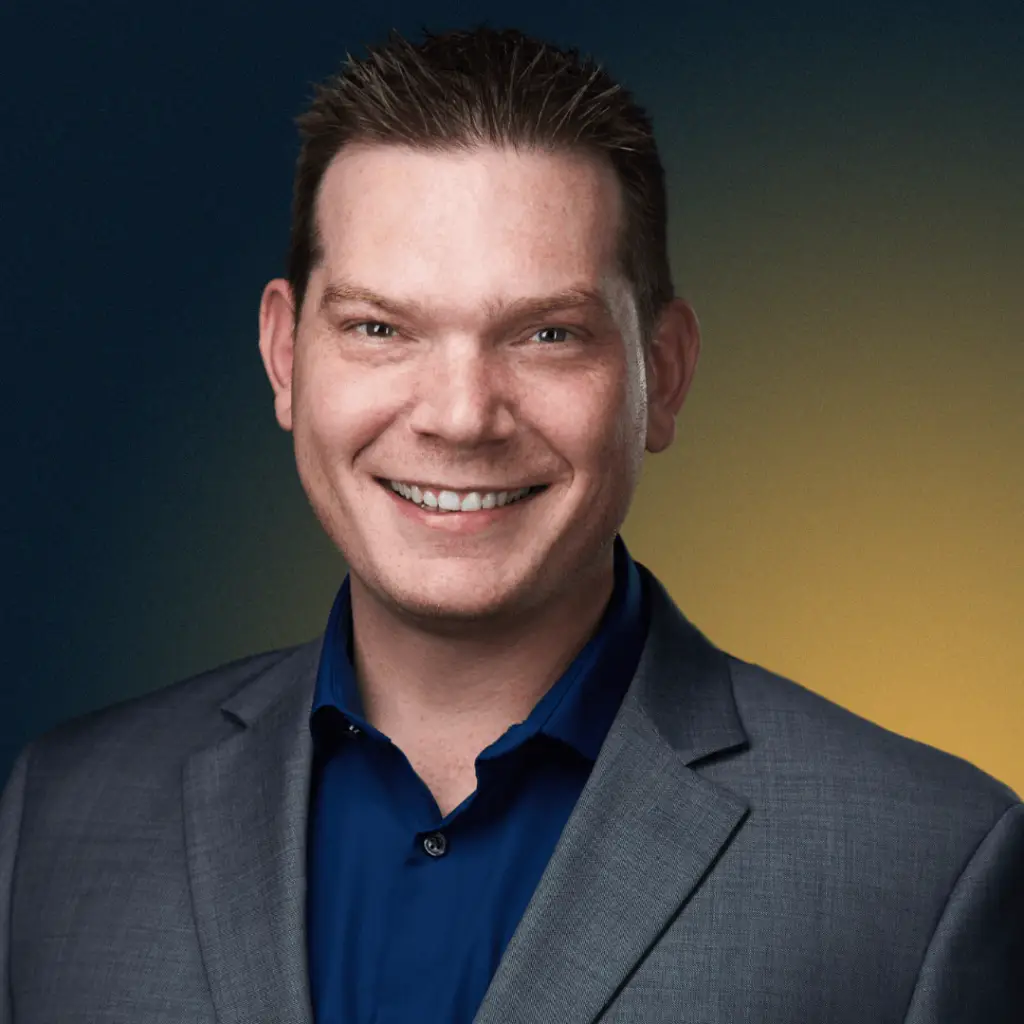
Richard Canfield is an Authorized Infinite Banking Practitioner® (11th worldwide) recognized by the Nelson Nash Institute® and a leading Canadian educator on the Infinite Banking Concept (IBC).
Based in Chilliwack, British Columbia, he works with Canadian families and entrepreneurs to help them gain control over their banking function, optimize cash flow, and build long-term generational wealth.
He serves through Ascendant Financial and is actively involved in leadership within the Nelson Nash Institute community.
Grab Richard’s free guide on understanding your natural instincts and turning them into business success.
Recognized Authority in the Infinite Banking Concept
Authorized Infinite Banking Practitioner® (11th worldwide)
Practitioner Council Member – Nelson Nash Institute®
Mentor to NNI Authorized Practitioners
Contributor to the documentary This Is Nelson Nash
Co-developer and instructor – NNI Coaching Academy (launched 2024)
Richard worked directly with R. Nelson Nash from 2012 until Nash’s passing in 2019.
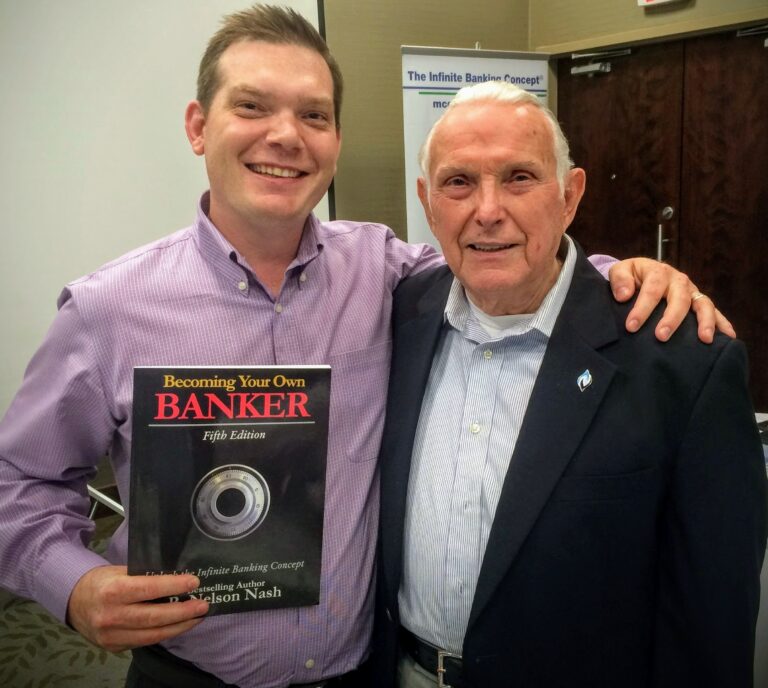
Nash publicly stated:
“Anyone learning the secrets of Infinite Banking from Richard Canfield is in very good hands… Richard understands this system as well as or better than anyone I’ve ever taught.”
This endorsement remains one of the strongest validations within the IBC community.
Canadian Focus: Adapting IBC for Canadian Families
Richard specializes in adapting the Infinite Banking Concept specifically for Canadians.
His work focuses on:
Structuring participating whole life insurance policies correctly
Optimizing capital efficiency
Ensuring uninterrupted compound growth
Teaching clients how to properly implement the process
Building multi-generational wealth systems
IBC is not an investment, but a process of becoming your own banker.
Richard teaches implementation, not theory.
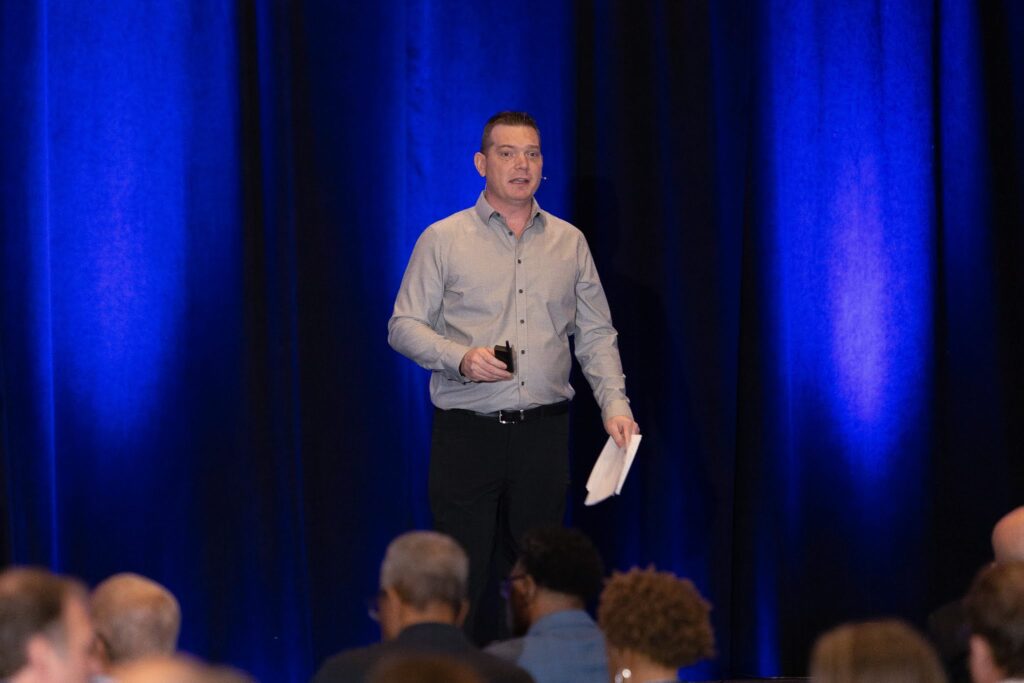
A Recognized Voice: Authorship, Podcasting, and Educational Outreach
Richard Canfield has built significant influence through multiple platforms.
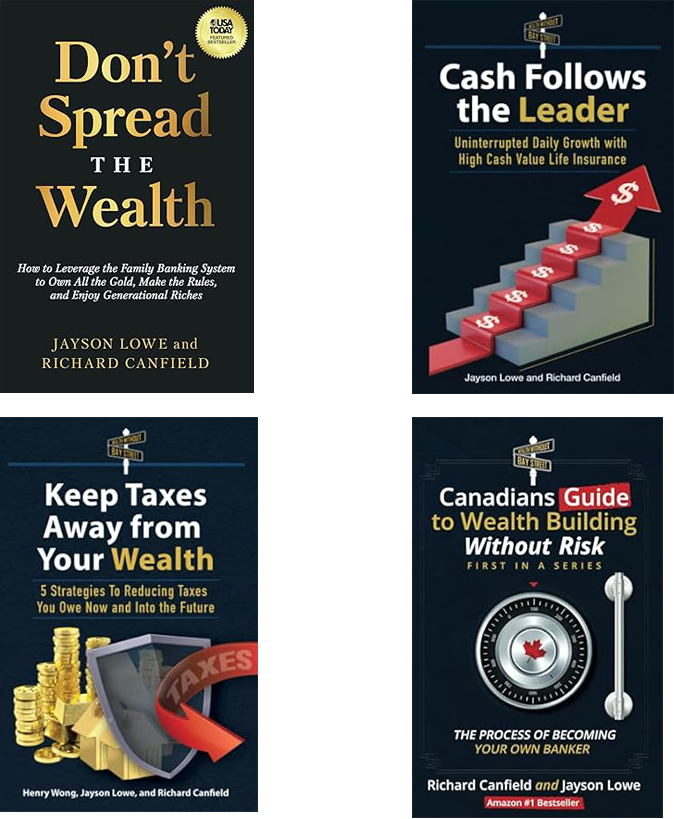
He co-authored the USA Today Featured Bestseller “Don’t Spread the Wealth” as well as the Amazon Bestseller “Cash Follows the Leader“, “Keep Taxes Away From Your Wealth”, and “Canadians Guide To Wealth Building Without Risk”.
He co-hosts the popular “Wealth On Main Street” podcast (formerly known as Wealth Without Bay Street), a key Canadian resource for IBC insights.
His expertise is further amplified through numerous guest appearances on podcasts covering finance, real estate, and entrepreneurship, reaching diverse audiences and gaining third-party validation.
Canfield maintains a strong online presence via Ascendant Financial, LinkedIn, Muck Rack, YouTube, Podchaser, Apple Podcasts, and About.me, consistently sharing IBC knowledge across various formats.
Professional Background
Before entering financial education, Richard:
Became a Journeyman Electrician
Led crews in Alberta
Studied at the Northern Alberta Institute of Technology
Invested in rental real estate
Became a licensed Realtor in Edmonton in 2008
This background shaped his focus on tangible, controllable financial systems.


Guest Appearances on Leading Podcasts

Leadership and Influence within the IBC Community
Richard holds formal roles within the Nelson Nash Institute ecosystem:
Practitioner Council Member
Mentor to Authorized Practitioners
Speaker at NNI events
Coaching Academy Instructor
Documentary contributor
His continued involvement helps preserve the integrity of Nelson Nash’s original message.
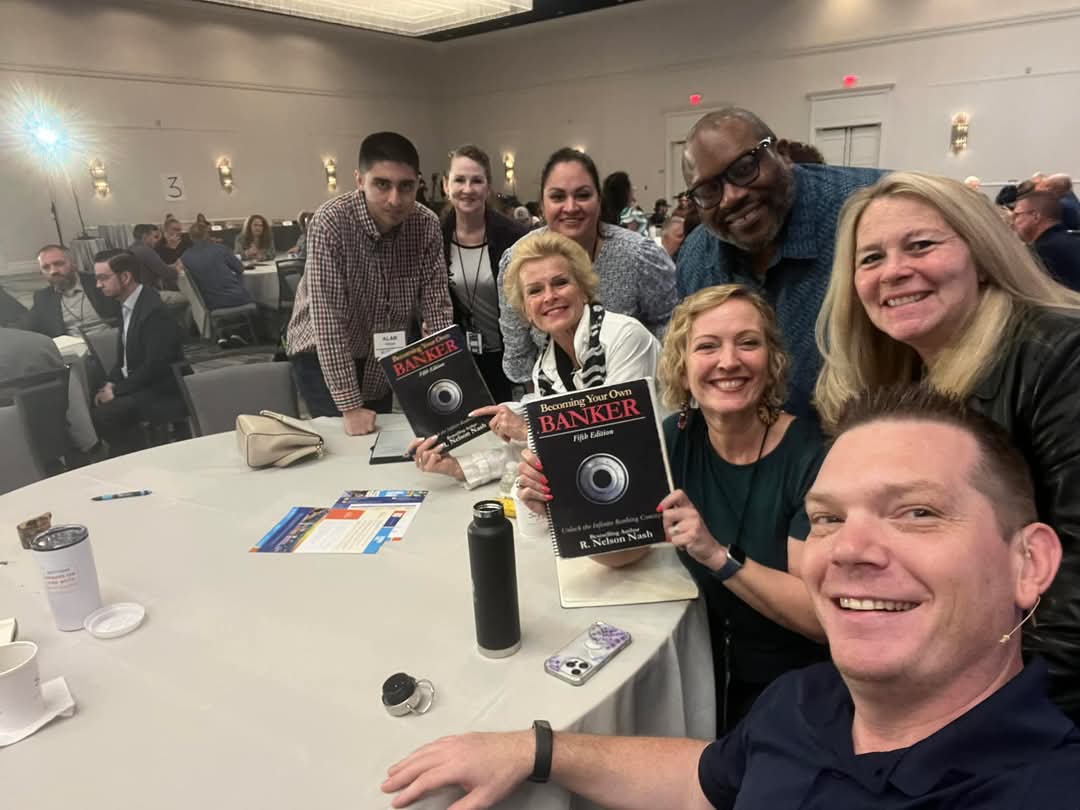
Evidence of Impact: Client Success and Industry Recognition
Canfield’s effectiveness is validated by client testimonials praising his integrity and the tangible results achieved, such as accelerated financial goals, debt elimination, and peace of mind.
One client noted learning more from Canfield in 5 hours than from any other source.
This client’s success aligns with the ultimate endorsement from R. Nelson Nash, who lauded Canfield’s deep understanding and teaching genius.
His authority is further supported by verifiable achievements, including USA Today and Amazon Bestseller statuses.
Peer recognition comes through his NNI Council and Mentorship roles, early authorization, speaking engagements, podcast appearances, and his role in the Nash documentary.
Richard Canfield - Key Achievements & Recognition
| Category | Achievement/Role | Significance/Source |
|---|---|---|
| Authorization | Authorized IBC Practitioner (11th Worldwide) | Early adopter, NNI recognized |
| Authorship | Co-Author, "Don't Spread the Wealth" | USA Today Featured Bestseller |
| Authorship | Author, "Cash Follows the Leader" | Amazon Bestseller |
| Podcasting | Co-Host, Wealth Without Bay Street | Leading Canadian IBC Podcast |
| Leadership | Practitioner Council Member, NNI | Formal leadership in the official IBC org |
| Mentorship | Mentor to NNI Authorized IBC Practitioners | Guiding peers in the official community |
| Endorsement | Explicitly Endorsed by R. Nelson Nash | Highest validation from the IBC Founder |
| Documentary | Key Contributor, "This is Nelson Nash" Film | Preservation of the IBC legacy |
This blend of client success, founder endorsement, public achievements, and peer recognition provides compelling proof of Canfield’s impact and authority in the Infinite Banking Concept field.