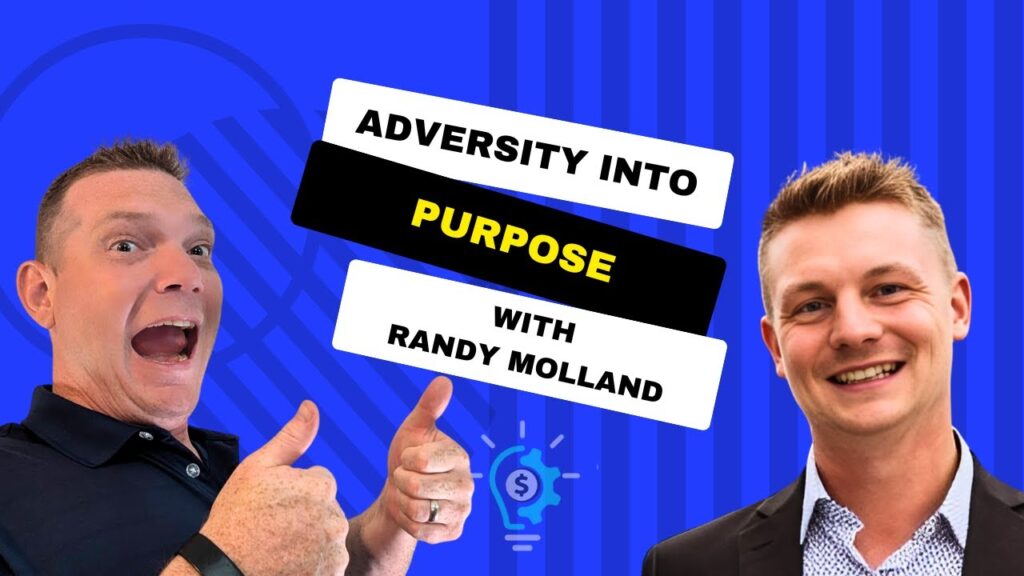
I recently sat down with Randy Molland, an electrician‑turned‑real‑estate investor whose success ultimately led him down a very different path: one focused on impact rather than personal wealth. In this conversation, Randy reminds me—and hopefully you—that long‑term wealth isn’t just about accumulating money; it’s about building a business that serves a larger purpose. His journey resonated deeply because so many entrepreneurs I coach wrestle with the same question: once I achieve financial success, then what?
(The full interview is embedded above. Feel free to watch it to hear Randy’s story in his own words.)
When chasing wealth isn’t enough
Randy started as an electrician, bought his first house at 25 and seemed on track for a comfortable retirement. Then tragedy struck—his mentor, who had encouraged him to follow that conventional path, died at just 42. That event shook Randy’s worldview. “I realized there had to be so much more to life than just waiting until you’re 50 to start living your dream life,” he told me.
Like many entrepreneurs, he sought shortcuts to wealth: he dove into real estate investing, chased early retirement and measured success purely in dollars. But stress and overwork caught up with him; a non‑epileptic seizure sent him to the hospital and forced him to reassess. During recovery he came across a quote that would change everything: if you want to make a million dollars a year, build a business that does $2 million and give $1 million away.
That idea flipped his priorities. Randy no longer wanted to be a seven‑figure earner; he wanted to be a seven‑figure giver. By putting impact before income, he discovered that fulfillment and financial success could coexist—and that shifting the focus actually unlocked more opportunities.
Building wealth through giving
Randy’s new philosophy birthed Go Big to Give Big, a movement that integrates philanthropy into business models. In our discussion he shared practical ways he has embedded impact into his companies:
- Donate per unit of revenue. He began by donating $10 per door per month from his real‑estate portfolio. Even small contributions created momentum.
- Turn free events into fundraising opportunities. A once‑free meetup became a paid event where 100 percent of the entry fee went to charity.
- Scale impact with growth. As the business grew, so did the giving. The message to partners was simple: the bigger we go, the more we can give.
This approach did more than warm his heart; it transformed his results. When he began pitching investors on real‑estate projects that funded kids’ sports programs, his team raised $13 million within 12 months—far more than previous rounds. In other words, customers and investors were eager to support a mission‑driven business.
Randy summed it up perfectly: “The more I sell, the more impact I make. That’s a cool feeling”. Instead of burnout and fatigue, he now wakes up energized because growth means more kids can play sports and more nonprofits get funded.
Why impact‑focused businesses thrive
Randy’s story illustrates a broader shift in consumer behavior. When we integrate impact into our businesses, we build trust and loyalty that pure profit motives can’t match. Consider these statistics:
- 80 % of customers remember a brand’s name when they talk about its impact.
- Consumers are 4.5 times more likely to refer a brand that emphasizes its impact.
- 91 % of employees are happier when their employer talks about their impact.
- 78 % of consumers will pay more for a brand known for giving.
In other words, purpose isn’t just altruistic; it’s a business advantage. Customers, partners and employees rally behind companies that give back. Randy’s 30‑day impact sprint program, which helps businesses implement charitable initiatives and marketing strategies, is built on this insight: impact drives growth.
Key lessons from Randy’s journey
- Impact before income. Chasing money for its own sake often leads to burnout. When you focus on giving, opportunities and wealth follow.
- Small commitments compound. Donating a fixed amount per sale or per unit may seem minor, but those contributions add up—and inspire others to join.
- Purpose inspires people. Clear impact initiatives attract investors, clients and employees who share your values.
- Reciprocity is real. The law of reciprocity means that generosity comes back to you in the form of referrals, loyalty and support.
Bringing it home
Randy Molland’s transformation from electrical contractor to philanthropic visionary is a powerful reminder that wealth and purpose are not mutually exclusive. By embedding giving into every deal, he built stronger relationships, raised more capital and, most importantly, found a deeper sense of fulfillment.
If this resonates with you, I encourage you to explore more conversations about aligning business with purpose. My discussion with Dana Weinberger on overcoming burnout and strengthening family bonds looks at how mental health shapes success, while my chat with Dennis Yu on why most entrepreneurs fail—and how you can succeed dives into the mindset shifts required to build sustainable wealth.
As you build your own business, remember Randy’s words: “If you want to make a million dollars a year, build a business that does two million, give one million away—and you’ll be the happiest millionaire on the planet”. Purposeful giving isn’t just good for the world; it’s a smarter way to build lasting success.
About The Author