
Burnout does not arrive with a warning sign. It builds quietly, one stressful day at a time, until the weight becomes unbearable.
I sat down with Isabelle Tierney, a licensed marriage and family therapist, stress management expert, and international speaker, to talk about what burnout really looks like from the inside and how to come back from it.
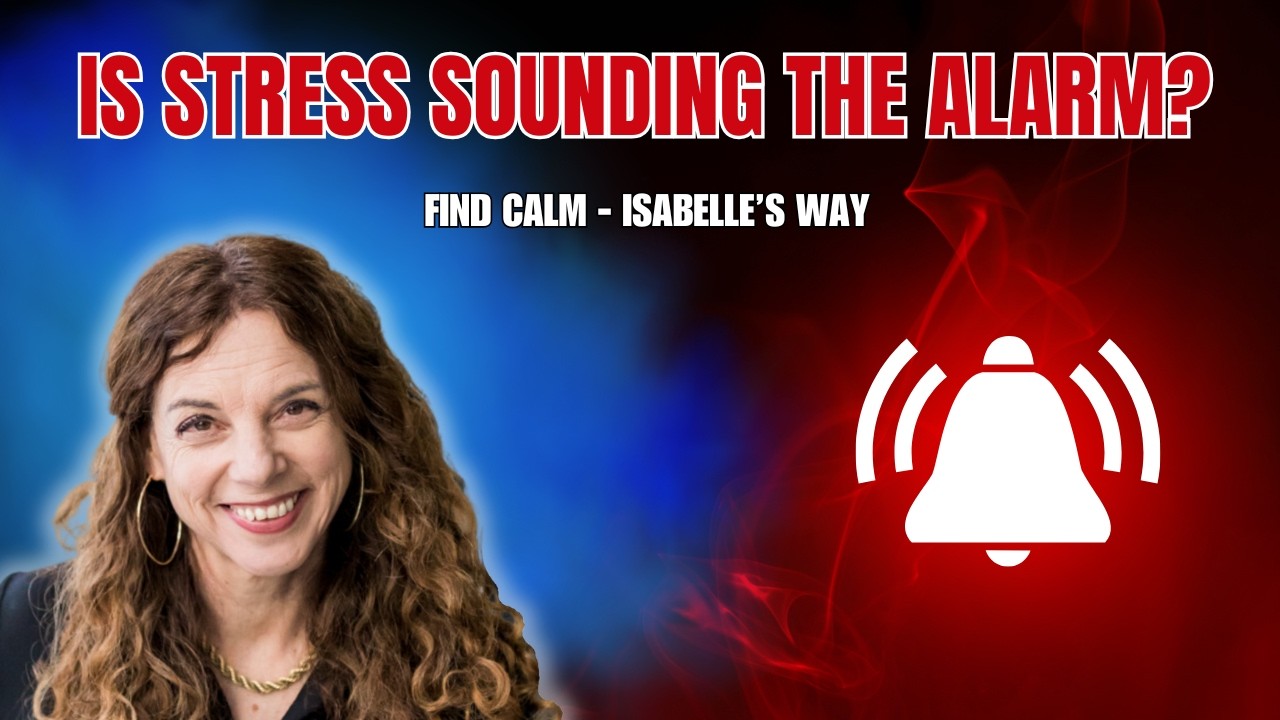
Isabelle holds two master’s degrees, a certification in energy healing, and has spent more than a decade helping people navigate some of the hardest moments of their lives.
But her own story of burnout is what makes her perspective so powerful.
The Hidden Cost of Caring for Others
Isabelle spent years running a successful therapy practice. She was seeing eight clients a day, five days a week.
“The hidden cost of caring for others is that you forget to care for yourself. Childhood patterns of people-pleasing and overgiving don’t just disappear when you become a professional. They intensify.”
Isabelle Tierney
Many of those clients were dealing with eating disorders, relationship trauma, and deep emotional pain.
“I think for any caregiver there’s burnout. I think in the service profession it is really easy to get burnt out.”
What makes burnout especially dangerous in service professions is that the people most likely to burn out are the same people who feel responsible for everyone else.
Her brother, a psychiatrist, told her something that stopped her in her tracks: “I don’t even know how you get out of bed in the morning.”
How Childhood Patterns Shape Adult Burnout
Isabelle was honest about the roots of her coping patterns. Growing up with childhood trauma, she developed what she calls the “good girl” approach to life.
She excelled on the outside. Two master’s degrees, an elite boarding school, all the markers of success. But underneath, she was struggling with food and body image.
“Our wounds are often what we end up helping people with.”
Her healing journey became her professional mission. When your work is tied to your deepest wounds, it can be hard to set boundaries around how much of yourself you pour into it.
When Burnout Takes Everything
After a decade of pouring herself into her practice, Isabelle’s burnout led to the loss of her health and her marriage.
“For any caregiver there’s burnout. In the service profession it is really easy to get burnt out. I was seeing eight clients a day, five days a week before I burnt out. I can’t even imagine what that’s like anymore.”
Isabelle Tierney
“We have so many things all of us we need to take care of. And how the heck do we prioritize those things?”
The pressure to be “super mom” while running a demanding practice created cracks in her closest relationships.
If you have felt that pull between professional ambitions and personal wellbeing, I explored a similar theme with Mark Fujiwara about prioritizing mental health.
Rebuilding After Burnout
What I admire about Isabelle is that she did not let her breakdown become the end of her story. She used it as a turning point.
“Rebuilding after burnout requires compassionate coping strategies. You can’t white-knuckle your way through recovery. You have to fundamentally change your relationship with stress and with giving.”
Isabelle Tierney
She went through a “conscious divorce,” ending her relationship with intention and compassion rather than bitterness.
She rebuilt her health and restructured her practice so it no longer required her to give more than she could sustain.
This idea of overcoming burnout and strengthening family bonds is something I care deeply about.
Compassionate Coping Strategies
Isabelle shared practical approaches to managing stress before it becomes burnout.
First, recognize your own warning signs. Are you constantly irritable? Losing sleep? Dreading work you once loved?
Second, practice compassionate coping. Treat yourself with the same kindness you would offer a client or loved one.
Third, carve out personal space. Even small amounts of unstructured time can recharge your ability to show up fully.
Key Takeaways
- Burnout in service professions is uniquely dangerous because the most caring people are the ones most at risk.
- Childhood coping patterns often carry into adulthood. Understanding your history helps you identify why you push past healthy limits.
- You cannot pour from an empty cup. Prioritizing your health is necessary for sustainable service to others.
- Conscious transitions in relationships or careers allow you to move forward with intention rather than resentment.
- Compassionate coping means building space for rest, reflection, and honest self-assessment.
If you are feeling the weight of too many responsibilities and too little margin, there is a way through it. Visit coachcanfield.com and let’s connect.
About The Author